
UK Gambling Commission Penalizes Holland Park Leisure Limited with £150,000 Fine Over Self-Exclusion Shortfalls
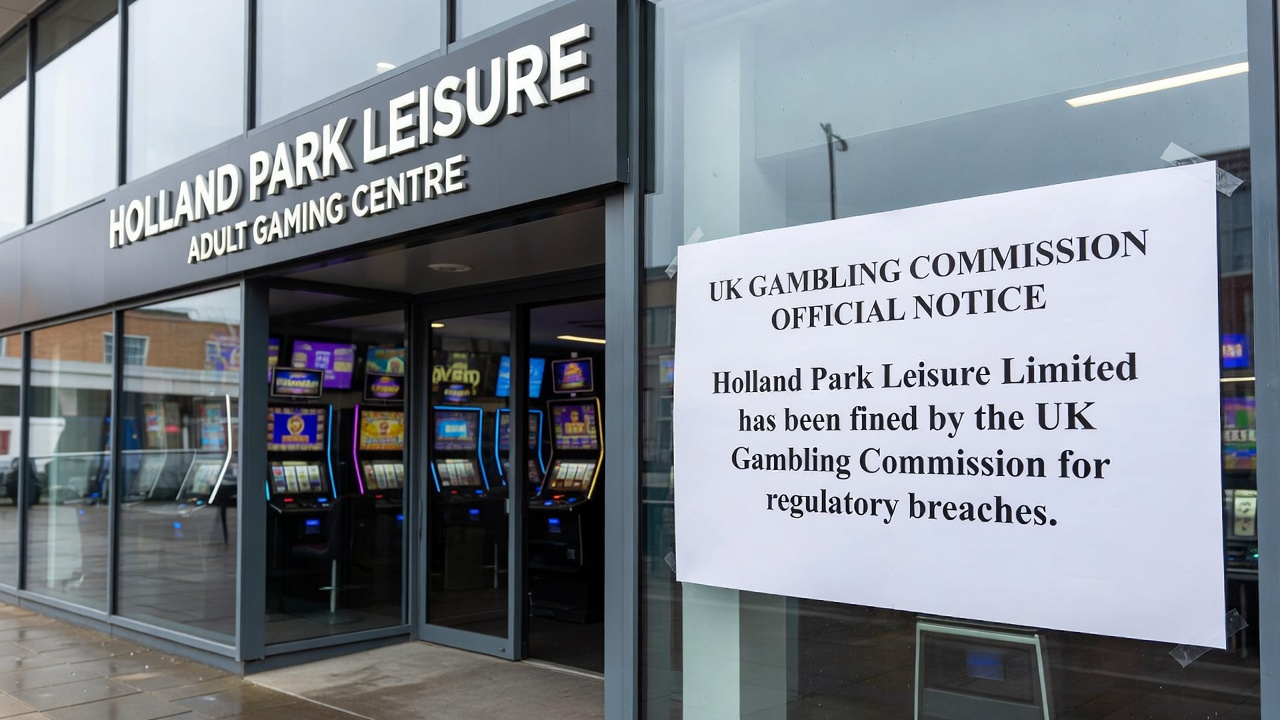
The UK Gambling Commission has issued a £150,000 fine to Holland Park Leisure Limited, an operator of adult gaming centres in Leicester, after the company failed to implement a required self-exclusion scheme for its customers; this action addresses a direct breach of social responsibility standards that apply to all licensed retail gambling venues across the country.
Holland Park Leisure Limited runs multiple high-street locations where customers access slot machines and other gaming products, yet records show the operator did not maintain systems that would allow individuals to exclude themselves from gambling activities at those premises; the commission identified this gap during a compliance review and determined it violated licence conditions tied to player protection measures.
Breakdown of the Regulatory Breach
Under the Gambling Act 2005 and associated licence conditions, operators of adult gaming centres must provide accessible self-exclusion tools so that customers can request to be barred from their venues for a set period; Holland Park Leisure Limited did not deliver this service consistently, which meant some players lacked the option to self-exclude despite the legal requirement that such schemes remain available at all times.
The fine reflects the commission's assessment of the breach severity, including the duration of the non-compliance and the number of affected premises; payment of the £150,000 penalty stands as the formal resolution, and the operator now faces ongoing monitoring to confirm that self-exclusion processes have been fully established and tested across its Leicester sites.
Context Within Ongoing Retail Gambling Discussions
This penalty arrives while policymakers continue to examine rules governing high-street slot venues and broader retail gambling operations; debates in Parliament and among regulators have focused on balancing consumer protection with the economic role these centres play in local communities, and the Holland Park Leisure case supplies one concrete example of enforcement in that environment.
Adult gaming centres fall under specific licence categories that demand strict adherence to social responsibility codes, and the commission publishes details of such actions on its public register; interested parties can review the full entry for Holland Park Leisure Limited through the Gambling Commission's regulatory actions database, which lists the case alongside similar matters involving other operators.
Those who track retail gambling regulation note that self-exclusion failures represent a recurring area of scrutiny because the tools directly support individuals who wish to limit their exposure to gambling products; in this instance the absence of such a scheme triggered the financial sanction and required corrective steps before the operator could demonstrate full compliance once again.
Operator Response and Next Steps
Holland Park Leisure Limited accepted the findings and has since worked to install the missing self-exclusion framework at its venues; the commission requires evidence that staff training, signage, and digital or paper-based exclusion forms now operate correctly so customers can initiate exclusion requests without delay or obstruction.
Future inspections will verify whether these measures function as intended, and any repeat shortfalls could lead to additional enforcement measures beyond the current fine; the case therefore serves as a record of how the commission applies its powers when social responsibility obligations are not met in full.
Conclusion
The £150,000 penalty imposed on Holland Park Leisure Limited underscores the commission's commitment to enforcing self-exclusion requirements at adult gaming centres, particularly in Leicester where the operator maintains its sites; the action fits within wider discussions about retail gambling oversight and provides a documented instance of regulatory response to a specific compliance gap. Observers tracking the sector can follow further updates through official commission channels as the operator completes its remedial obligations and maintains the required player protection standards going forward.