Tracing Player Retention Through Layered Loyalty Mechanics in Integrated Sports and Table Game Platforms
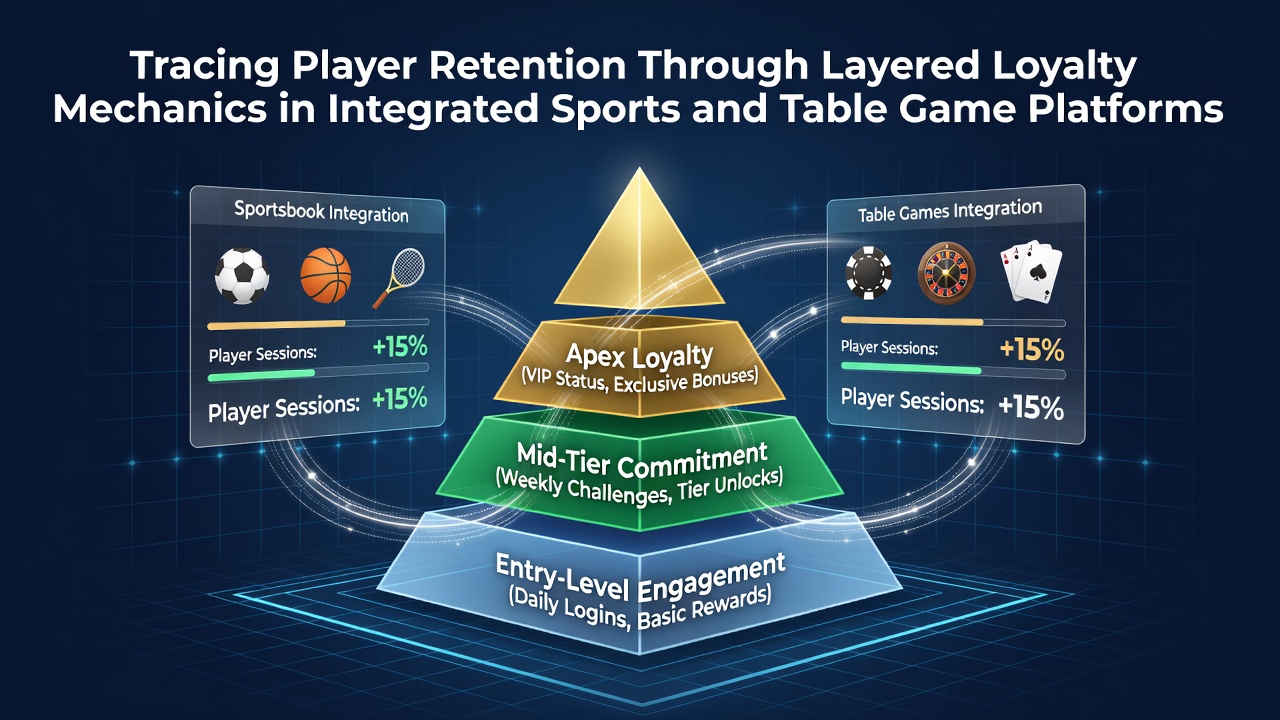
Integrated platforms that combine sports betting with table games have developed layered loyalty mechanics to track and sustain player activity across both verticals, and these systems rely on tiered point accumulation, personalized rewards, and cross-product incentives that keep users engaged over extended periods. Data from multiple operators shows retention rates climb when players move through visible progression layers that reward consistent participation in either sports or table games.
How Layered Loyalty Systems Operate Across Product Types
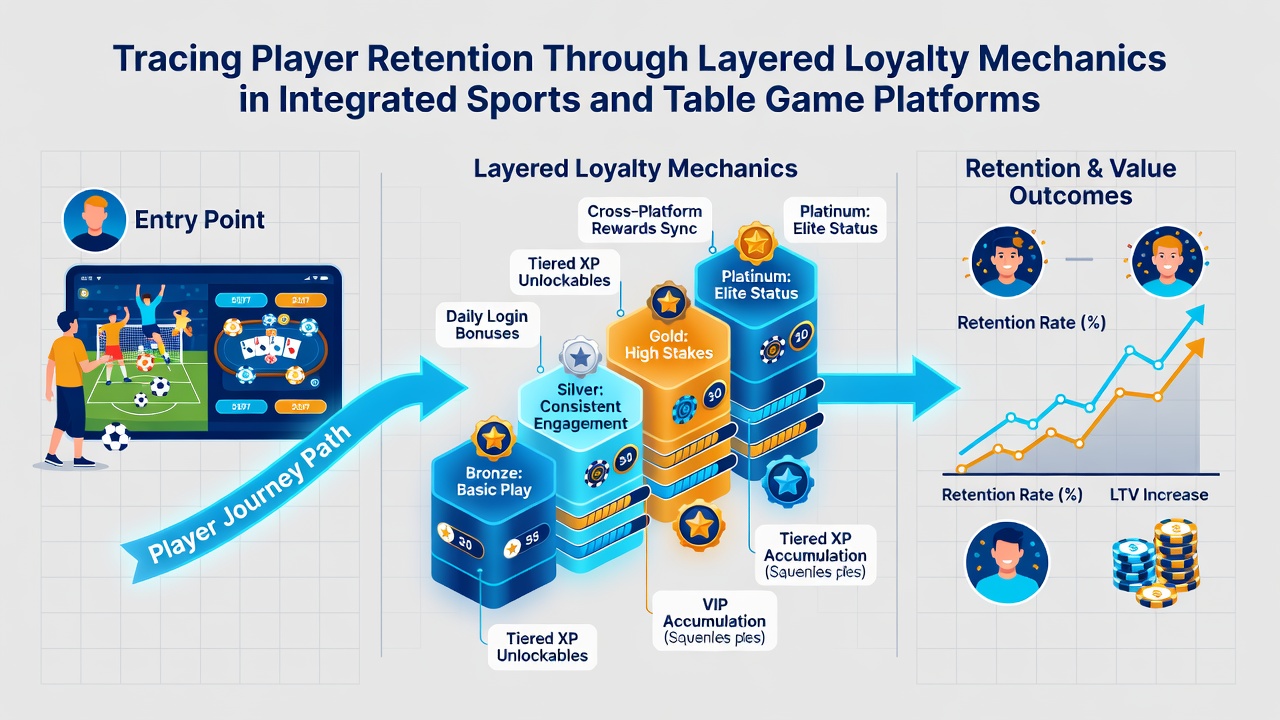
Operators assign points based on wager volume and game type, with sports bets often earning base multipliers while table game sessions contribute through time played or specific bet categories, and these points feed into tier advancement from entry level through premium status. Players receive accelerated rewards once they hit intermediate tiers, including cashback percentages that apply to losses in both sports and casino sections, plus exclusive event access that encourages continued deposits and play cycles.
Research indicates platforms segment users by lifetime value and activity patterns, then deliver targeted offers such as free bets on major sporting events or bonus spins on table game variants, all calibrated to the individual's current tier. This segmentation allows operators to adjust incentives dynamically, shifting focus between sports and table games depending on seasonal trends or individual preferences observed in the data.
Retention Metrics and Measurement Approaches
Platforms monitor metrics including session frequency, average revenue per user, and churn probability, while loyalty layers provide additional signals through tier maintenance requirements and redemption rates. Figures reveal that users who reach mid-tier status within the first three months demonstrate markedly higher six-month retention compared with those who remain at entry level, and operators attribute this gap to the psychological reinforcement created by visible progress bars and escalating benefits.
One study from the Canadian Gaming Association tracked integrated platform users across twelve months and found layered rewards reduced drop-off rates by correlating sports betting streaks with table game bonuses, creating continuous engagement loops. Observers note that successful implementations integrate real-time dashboards so players see exactly how close they stand to the next reward threshold, which sustains motivation even during quieter periods between major sports seasons.
Implementation Patterns Observed in 2026
As of August 2026 several major operators updated their loyalty engines to incorporate predictive analytics that anticipate when a player might reduce activity and intervene with tier-protected offers. These updates draw on behavioral data from both sports and table game interactions, allowing the system to suggest table game sessions to sports-heavy users or vice versa when engagement metrics dip in one vertical.
Industry reports from the Responsible Gambling Council in Canada highlight how these mechanics also surface responsible gambling tools at tier boundaries, giving users options to set limits while still progressing toward rewards. The same reports document that platforms applying these balanced approaches maintain higher overall retention without increasing problem gambling indicators tracked through self-exclusion and limit-setting data.
Cross-Product Incentives and Data Integration
Effective loyalty layers connect sports and table game activity through unified wallets and shared progress tracking, so a large sports win can unlock table game bonuses and extended table game sessions can generate sports betting credits. This integration creates multiple entry points for retention efforts and reduces the likelihood that a player disengages after a single vertical cools down.
According to findings published by the University of Sydney's Gambling Treatment and Research Clinic, platforms that synchronize loyalty data across products achieve more accurate churn predictions because they capture the full picture of user behavior rather than isolated vertical metrics. The clinic's analysis of anonymized operator datasets showed that players with balanced activity across sports and table games stayed active longer than single-vertical users at equivalent spend levels.
Conclusion
Layered loyalty mechanics in integrated sports and table game platforms function through tiered progression, cross-product rewards, and continuous data monitoring that together trace and influence retention patterns. Operators continue to refine these systems with predictive tools and regional regulatory considerations, while independent research bodies in Canada and Australia supply ongoing measurement of both engagement outcomes and player protection indicators. The result is a retention framework that adapts to individual activity while remaining grounded in observable performance data across both product categories.